
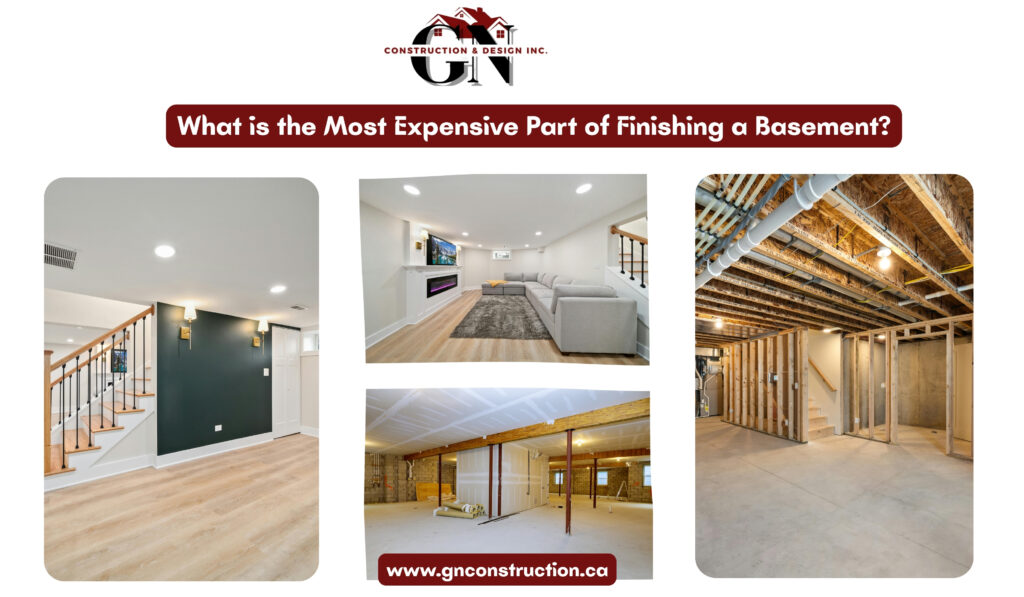
Understanding the Basement finishing cost breakdown is essential before starting any renovation project. Finishing a basement can transform unused space into a functional living area, but the total investment depends on several factors. Homeowners often ask what drives the cost of finishing a basement, and the answer usually comes down to structural work, utilities, and labor. A basement renovation is not just about aesthetics; it involves safety, durability, and long-term performance. From waterproofing to electrical systems, every step contributes to the overall budget. Knowing where the major costs come from helps you plan better and avoid unexpected expenses.
Most Expensive Part of Basement Finishing Explained Clearly
The most expensive part of basement finishing is usually structural and utility-related work rather than cosmetic upgrades. This includes waterproofing, framing, electrical wiring, plumbing, and HVAC integration. These elements are essential because a basement is below ground level, making it more complex than other parts of a home. Moisture control and proper insulation are critical to ensure long-term durability and safety.
Key cost-heavy components include:
- Waterproofing and moisture control systems
- Electrical wiring and panel upgrades
- Plumbing installation for bathrooms or kitchens
- Framing and insulation for walls
- HVAC system extension or modification
These foundational elements form the backbone of any successful Basement Remodeling project.
Basement Remodeling Cost Factors You Must Know
Several basement remodeling cost factors influence the final budget. Every basement is different, so pricing varies depending on size, condition, and intended use. Understanding these factors helps homeowners plan a realistic budget and avoid unexpected expenses during the project.
Important cost factors include:
- Size of the basement space
- Existing condition and moisture level
- Quality of materials used
- Design complexity and customization
- Local labor rates and contractor expertise
Each factor plays a significant role in determining the overall cost of your Basement Remodeling project.
Labor Cost in Basement Finishing and Its Impact
One of the biggest contributors to the overall cost of finishing a basement is labor. Skilled professionals are required for framing, electrical work, plumbing, insulation, and finishing. The labor cost in basement finishing can vary depending on location and project complexity. Experienced contractors may charge more, but they ensure safety, compliance with building codes, and better quality work.
Labor usually covers:
- Carpentry and framing work
- Electrical and plumbing installation
- Drywall installation and finishing
- Painting and flooring installation
Waterproofing Cost Basement Finishing Importance
Waterproofing is one of the most critical parts of any basement project. Without proper moisture protection, basements can develop mold, leaks, and structural damage. The waterproofing cost basement finishing depends on the level of protection required, including sealants, membranes, drainage systems, and sump pumps.
Why waterproofing matters:
- Prevents mold and mildew growth
- Protects structural integrity
- Improves indoor air quality
- Increases property value
Electrical and Plumbing Cost Basement Breakdown
Modern basements often include bathrooms or kitchens, increasing the importance of electrical and plumbing cost basement planning. Electrical work includes wiring, lighting, outlets, and safety systems. Plumbing includes drainage, water lines, and fixture installation.
Common expenses include:
- Electrical panel upgrades
- Wiring for lighting and appliances
- Bathroom plumbing installation
- Basement kitchen plumbing setup
- Safety code compliance work
Additional Costs and Considerations
Beyond the basic electrical and plumbing work, homeowners may also need to budget for permits, inspections, waterproofing upgrades, and unforeseen repairs discovered during construction. The condition of existing wiring and plumbing systems can also affect overall costs, especially in older homes. Proper planning for these additional expenses helps avoid budget overruns and ensures the Basement Remodeling Cost remains manageable while allowing the project to be completed safely, efficiently, and according to local building requirements.
Cost of Finishing a Basement With Smart Planning
The overall cost of finishing a basement depends on structural and finishing elements. A basic basement costs less than a fully customized space. To manage costs:
- Plan layout before starting
- Choose cost-effective materials
- Avoid unnecessary luxury upgrades
- Work with experienced contractors
- Get multiple quotes
Basement Remodeling Cost vs Value Addition
A well-executed Basement Remodeling project increases living space and property value. It can be used for bedrooms, offices, entertainment zones, or rental units, making it a smart investment.
How To Reduce Basement Finishing Expenses Smartly?
Cost-saving tips include:
- Use simple layouts
- Choose mid-range materials
- Avoid major structural changes
- Combine plumbing and electrical work
- Plan everything in advance
Why Professional Basement Remodeling Matters?
Professional work ensures safety, compliance, and durability. It prevents moisture issues, electrical hazards, and future repair costs.
Conclusion: Plan Your Basement Investment Wisely
The basement finishing cost breakdown clearly shows that structural work, waterproofing, and utility installations are the most expensive parts of the project, but they are also the most essential for safety and durability. Proper planning and smart budgeting help ensure long-term value, efficiency, and structural strength. A well-executed Basement Remodeling project not only improves comfort and usability but also significantly increases overall property value, making it a worthwhile investment with professional support from Gn Construction & Design Inc.
Frequently Asked Questions (FAQs)
1. What is the most expensive part of basement finishing?
Waterproofing, plumbing, electrical, and structural work are the costliest parts.
2. How much does basement finishing cost on average?
It varies depending on size, materials, and design complexity.
3. Why is waterproofing important?
It prevents moisture damage, mold, and structural issues.
4. Can I reduce basement finishing cost?
Yes, through planning, simple designs, and smart material choices.
5. Is basement remodeling a good investment?
Yes, it increases usable space and property value.
6. Do I need professionals for basement finishing?
Yes, for safety, quality, and compliance with building codes.